
Complete Guide to Cupboards: Types, Benefits, Materials, Designs, and Buying Tips
Cupboards have become one of the most essential furniture elements in modern homes and commercial spaces. They are designed not only to store belongings but also to create an organized, clean, and aesthetically appealing environment. Over the years, cupboard designs have evolved from simple wooden storage boxes to stylish, spacious, and highly functional units that enhance the overall interior design. Whether you are furnishing a bedroom, kitchen, living room, bathroom, or office, cupboards play a crucial role in improving the usability and appearance of any space. Their ability to blend functionality with design makes them an indispensable part of contemporary interiors.
Understanding What Cupboards Are
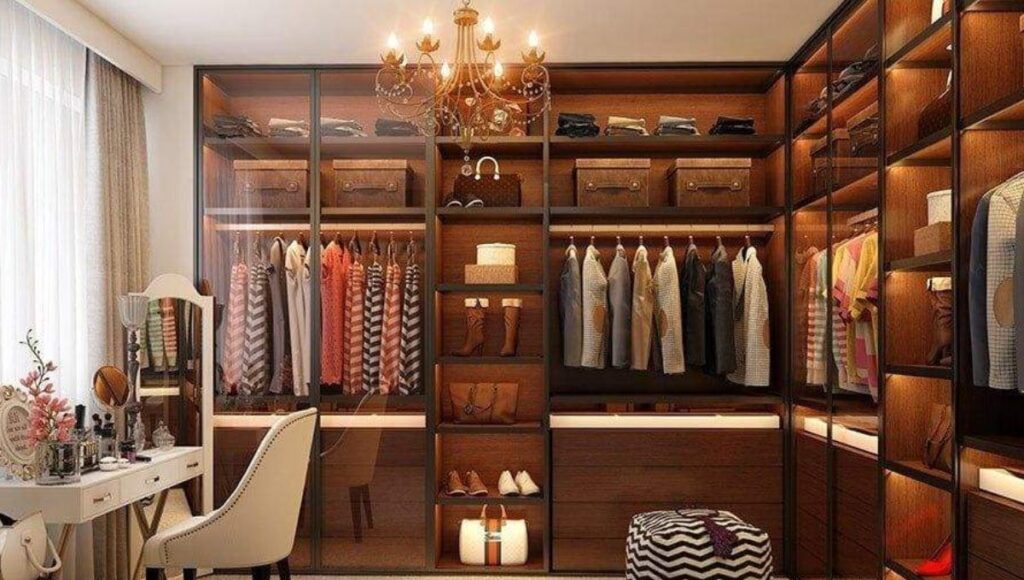
A cupboard is a structured storage unit equipped with shelves, drawers, and compartments to arrange various items systematically. Traditionally, cupboards were made of solid wood and featured basic doors. However, with innovations in interior engineering, cupboards now come in modular designs with sliding doors, soft-close systems, adjustable shelves, and premium finishes. Modern cupboards are engineered to maximize space efficiency, even in compact homes. They are available in multiple shapes, sizes, and materials, allowing homeowners to choose based on usage needs, style preferences, and budget. Today’s cupboards are not just functional; they are a reflection of personal taste and the lifestyle of the homeowner.
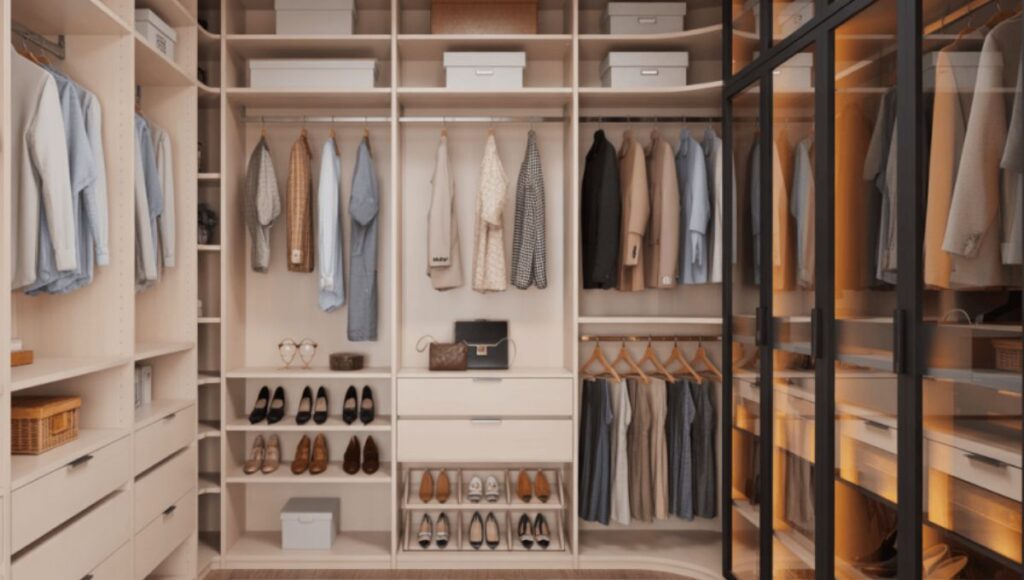
Kitchen cupboards are equally important, forming the structural foundation of a modular kitchen. They include base units, wall-mounted cabinets, and tall pantry units for storing utensils, cookware, groceries, and appliances. Kitchen cupboards are designed to withstand moisture, heat, and heavy usage. Living room cupboards, such as TV units and decorative display cabinets, help maintain a tidy and attractive space. Bathroom cupboards are made using waterproof materials and provide storage for toiletries and cleaning items. Offices also depend on cupboards for storing documents, files, and stationery in an organized manner.
Materials Used in Cupboard Construction
Cupboard durability and performance greatly depend on the material used. Plywood is considered one of the strongest and most reliable materials due to its resistance to moisture and long-lasting strength. MDF offers a smooth, premium finish, making it suitable for high-gloss or painted cupboards, although it is less durable than plywood. HDHMR is increasingly popular because it provides excellent resistance to moisture and offers high strength, making it ideal for wardrobes and kitchen cabinets. Particle board is the most economical option but is not as durable as other materials. For areas with high moisture, such as bathrooms, PVC and WPC cupboards are preferred. Solid wood is a premium choice, offering a timeless and rich look, though it requires higher maintenance and cost.
Benefits of Installing Cupboards
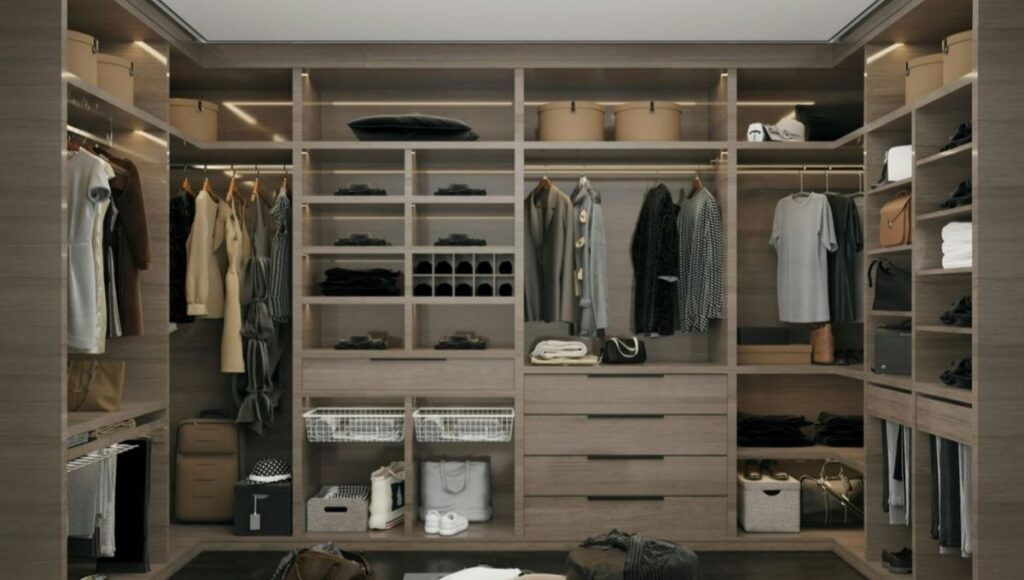
Cupboards offer numerous advantages that enhance daily living. The primary benefit is efficient storage and organization, which ensures that each item has a designated place. This reduces clutter and makes the home appear cleaner and more spacious. Cupboards help maximize the use of available space, especially in small rooms, by utilizing wall areas and corners effectively. Stylish cupboard designs enhance the visual appeal of the interior, complementing the overall theme and décor. Cupboards also provide security and privacy by keeping personal items, documents, and valuables safely stored away. With customization options available in terms of size, structure, color, finish, and internal layout, cupboards serve both practical and decorative purposes.
How to Choose the Perfect Cupboard
Selecting the right cupboard requires careful planning. The first factor to consider is the available space. Measure the area accurately to determine whether a sliding or hinged door cupboard is suitable. The second consideration is storage needs. For bedrooms, decide how much hanging space, shelf space, and drawer space you require. In kitchens, choose cupboards based on the number of utensils, appliances, and grocery items you need to store. The material is equally important, as it affects durability and maintenance. Plywood or HDHMR is recommended for long-term use. The cupboard’s finish—such as laminate, acrylic, PU paint, or veneer—should match your interior style. Soft-close hinges, LED lighting, mirror doors, and accessory organizers can enhance both functionality and convenience.
Modern Cupboard Design Trends
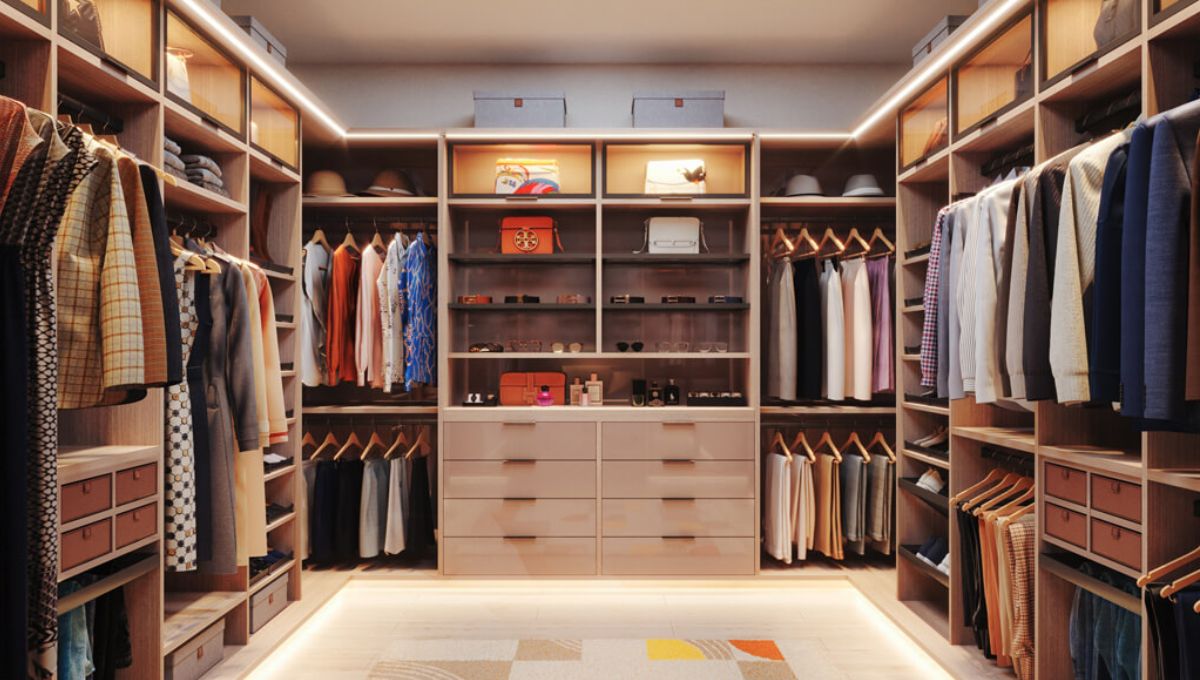
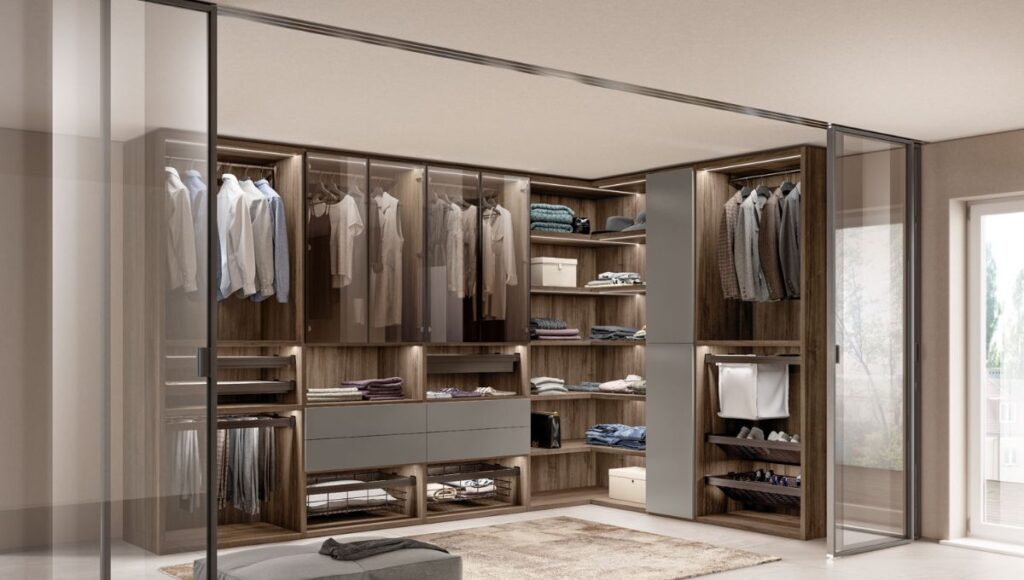
Modern cupboard designs focus on minimalism, efficiency, and elegance. Floor-to-ceiling cupboards maximize storage and give rooms a clean and seamless look. Mirror-finished cupboards make small rooms appear larger and brighter. High-gloss acrylic cupboards are visually appealing and easy to maintain. Walk-in wardrobes with open shelving, drawer units, and integrated lighting have become a symbol of luxury. For living rooms, handleless cupboards and floating cabinets are trending for their sleek and modern appearance. These design trends not only improve the look of the home but also increase comfort and usability.
Cupboard Maintenance Tips
Maintaining cupboards ensures longevity and keeps them looking new. Regular cleaning with a soft, dry cloth helps prevent dust buildup. Avoid using harsh chemicals that may damage the finish. If the cupboard is not moisture-resistant, avoid direct contact with water. Hinges and sliding door channels should be lubricated occasionally to ensure smooth movement. Do not overload shelves, as excessive weight may cause bending or damage. For wooden cupboards, termite treatment is essential. By following these simple maintenance steps, you can keep your cupboards durable and attractive for many years.
Conclusion
Cupboards are an integral part of modern living, providing both storage and aesthetic value. They help keep your home organized, enhance the interior design, and make everyday life more efficient. With countless materials, styles, and customization options available, choosing the right cupboard has never been easier. Whether you need a bedroom wardrobe, kitchen cabinet, living room unit, or bathroom storage, a well-designed cupboard can completely transform your space. Investing in high-quality cupboards not only adds beauty to your home but also improves its functionality and comfort.
FAQs
1. What is the best material for cupboards?
Plywood and HDHMR are considered the best options because they offer durability, strength, and long-term stability.
2. Are sliding door cupboards better than hinged cupboards?
Sliding doors are ideal for small rooms as they save space, while hinged doors are suitable for larger rooms and give wider access.
3. How long do modern cupboards last?
With good material and proper maintenance, cupboards can easily last 10–20 years or more.
4. Can cupboards be customized?
Yes, modern cupboards can be fully customized in size, design, color, finish, and internal structure based on your needs.
5. Which cupboards are best for moisture-prone areas?
For bathrooms or damp areas, PVC, WPC, or waterproof HDHMR cupboards are the best choices.
0 comments